
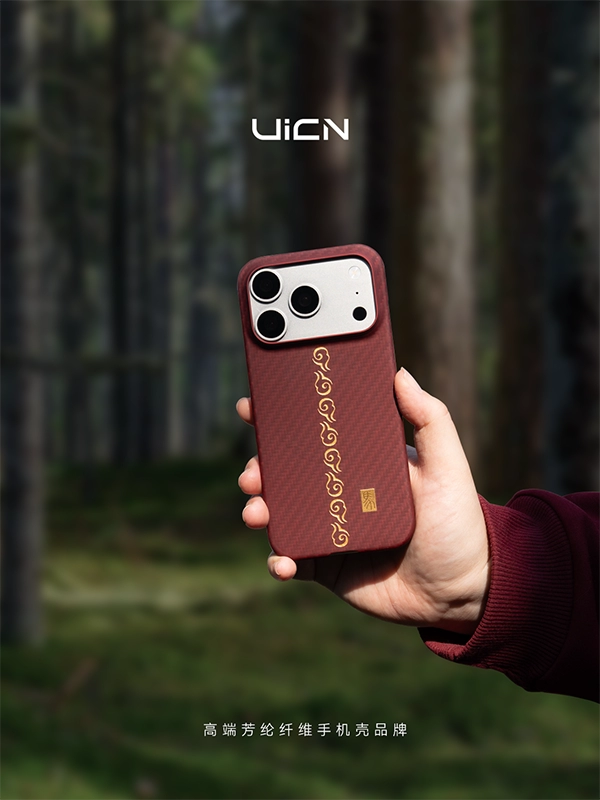
Travel is the one part of the year when a phone is asked to work harder and be handled more roughly than at any other time. It moves through a security queue, a shared tray, a seat pocket, a hotel bedside and a beach bag in the space of a day, and every one of those stops applies a different load. This guide sets out what each stage actually threatens, and what is worth carrying so that the phone arrives home in the condition it left in.
Why Travel Changes the Protection Problem
The protection a phone needs at home is fairly predictable: one pocket, one desk, one bag. Travel replaces that routine with a series of unfamiliar surfaces, and the phone is handled by people and machines that have no interest in it. The risk is not that any single stage is severe. It is that there are so many of them in a short period, with no chance to inspect the phone between one and the next.
| Stage | What threatens the phone | What actually helps |
|---|---|---|
| Security screening | Shared trays, queues, being tipped out and picked up in a hurry | Case stays fitted, nothing loose travelling with it |
| Cabin and seat pocket | Grit, cable strain at the connector, tray-table drops | A cable with a clean, straight connector; phone kept out of the pocket liner |
| Airport and hotel power | Loose sockets, borrowed adapters, overnight charging in a confined space | One known charger and a ventilated charging position |
| Destination climate | Sand, salt air, sun and humidity | Raised edges, a secure fit, and a rule about direct sun |
Read that table again and one thing stands out: only the last row is about the environment. The other three are about handling, and handling is what a well-fitted case is good at.
Security Screening: The Five Seconds That Matter Most
A security tray is a hard, shared, unloved surface — and the moment that follows is the one where phones are most often knocked, stacked and dropped. There is no case that fixes a fall onto a tiled floor, but there are three habits that remove most of the exposure.
- Keep the case fitted. There is no reason to remove a case for screening, and a case that comes off in a tray is a case that can go missing with the tray.
- Do not travel with loose metal. The tray is where a phone meets keys, coins and belt buckles. If those travel with the phone, they will make contact at the moment the phone is slid across a hard surface.
- Take the phone out last and put it back first. The queue moves, and the hurry to repack is what causes drops at the end of the belt.
The practical fix: a dedicated pocket for the phone in your cabin bag, used every time, keeps it away from the tray clutter and makes the repack a two-second action instead of a search.
In the Cabin: Seat Pockets, Cable Strain and Charging
An aircraft seat pocket is a fabric pouch with a hard frame and whatever the previous passenger left in it. It is a reasonable place for a magazine and a poor place for a phone — the phone ends up pressed against the seat frame for the whole flight and picks up grit from the bottom of the pocket.
The other cabin problem is the cable. A phone charging while it sits in the pocket, or hanging from a socket, puts a constant side load on the connector, and a bent connector is a repair rather than a cleaning job. Charging the phone on the tray table, with the cable supported, removes the load entirely.
The practical fix: charge on the table, not from the pocket. If the socket is awkward, use a short cable so the phone does not have to hang from it.
Power Banks and the Lithium Rules
Power banks fall under dangerous goods rules rather than airline preference, and the rules are consistent enough to plan around. Capacity is measured in watt-hours, the figure printed on the battery, and the common thresholds are widely applied:
- Under 100 Wh. Normally carried without restriction, in cabin baggage.
- 100 to 160 Wh. Usually permitted in cabin baggage with airline approval, and generally limited in number.
- Spare batteries. Must travel in the cabin, never in checked baggage, because a fire in the hold cannot be reached.
The practical fix: check the watt-hour figure rather than the milliamp-hour figure before you leave, keep the bank in your cabin bag, and keep the terminals protected so nothing metal can bridge them. A bank that has been dropped, swollen or punctured should not travel at all.
Sand, Salt and Sun at the Destination
Fine sand is the most abrasive thing a phone will meet on holiday — and it is small enough to enter any opening. Salt air is the second problem, because it is corrosive to metal contacts and stays on surfaces until it is wiped off. Sun is the third, and it acts on the case as well as the phone.
A case that fits tightly and covers the frame edges is the main defence here, because it keeps sand on the outside where it can be rinsed away rather than letting it settle against the phone. The camera surround is the part that matters most, since it is the point where the phone is closest to any surface a phone is put down on.
The practical fix: after a day at the beach, rinse the case under fresh water with the phone removed, dry it fully before refitting, and keep the phone out of direct sun when it is not in use.
Hotel Rooms: Sockets, Adapters and Bedsides
A hotel room offers unfamiliar sockets, an adapter of unknown quality, and a bedside table with a hard edge and a charging cable running across it. Overnight charging is also where heat problems quietly accumulate, because the phone is charging for hours in a confined space with no airflow.
Two habits remove most of that risk — and neither costs anything. Use your own charger and your own cable rather than whatever is in the room, and charge on a hard, open surface rather than under a pillow or on a soft chair. If the case becomes noticeably warm during charging, take it off for the remainder of the charge.
What to Pack Around the Case
- One charger and one cable that you know work. Unfamiliar adapters are a variable you do not need on arrival.
- A dry microfibre cloth. It handles sand, salt and fingerprints without any liquid.
- A small soft sleeve. A sleeve in a day bag does more for a phone than a thicker case does.
- Nothing loose in the same pocket. Keys, coins and adapters travel somewhere else.
- A power bank with a known watt-hour rating and protected terminals.
That is a short list, and it fits in the space a phone and a charger already occupy. The point is not to buy anything new — it is to stop the phone from sharing space with the things that damage it.
Frequently Asked Questions
Should I take my phone case off at airport security?
No. There is no requirement to remove a case for screening, and a case that comes off in a shared tray is more likely to be lost or dropped. Leave it fitted and keep the phone in a dedicated bag pocket.
Can I take a power bank on a plane?
In cabin baggage, generally yes, up to the airport's stated limit, and spare batteries must not go in checked baggage. Capacity is measured in watt-hours, so check the figure printed on the bank rather than the milliamp-hour rating.
Is sand really a problem for a phone case?
It is one of the most abrasive materials a phone meets, and it is small enough to work its way behind a case lining. A case that fits tightly keeps sand on the outside, where a rinse removes it.
What is the best way to protect a phone at the beach?
Keep it out of direct sun, out of the sand, and out of a damp beach bag. Rinse the case under fresh water afterwards with the phone removed, and dry it completely before refitting so no salt or moisture is sealed in.
Does a thin case give enough protection for travel?
For the handling risks of travel, usually yes, because those risks are about abrasion, pressure and grit rather than about falls from height. Coverage of the corners, edges and camera surround matters more than thickness.
Conclusion
Travel rarely breaks a phone with one big event. It wears it with a long sequence of small ones — a shared tray, a seat pocket, a bedside table, a beach bag — and the case only has to keep up with the handling, not with the worst case imaginable.
Pack one charger you trust, keep the phone out of direct sun, keep it away from loose metal, and give it a pocket of its own. Do that and the case will still fit tightly when you get home. To see the slim aramid fiber cases UICN builds for daily carrying, explore the Apple Series and Everyday Carry and Device Protection articles, or contact us if you are specifying cases for a brand or distribution programme.