Corporate phone case procurement becomes complicated when employees use different device models, work in different environments, and replace equipment on different schedules. The most expensive mistake is treating every case as an isolated purchase. A simple standard can reduce compatibility problems, support tickets, packaging variations, and emergency replacements.
This framework is for IT, operations, purchasing, and workplace teams managing company-owned or reimbursed smartphones. It also works for distributors building a repeatable case program for business customers.
A Practical Corporate Phone Case Procurement Framework
1. Build a device and user matrix
Start with the current device list, expected replacements, and the locations where each model is used. Record the model, storage or configuration only when it affects the case, quantity, user group, deployment date, and expected retirement date.
Then add the work environment. A field technician, sales representative, warehouse supervisor, and executive may need different priorities. One group may need slim everyday protection and magnetic mounting; another may need a stronger edge, easier cleaning, or a high-visibility color.
2. Set a minimum protection standard
Choose a baseline that every approved case must meet: camera clearance, button access, port access, grip, surface durability, wireless charging behavior, and compatibility with the company’s mounts or chargers. Add higher tiers only when a real work environment justifies them.
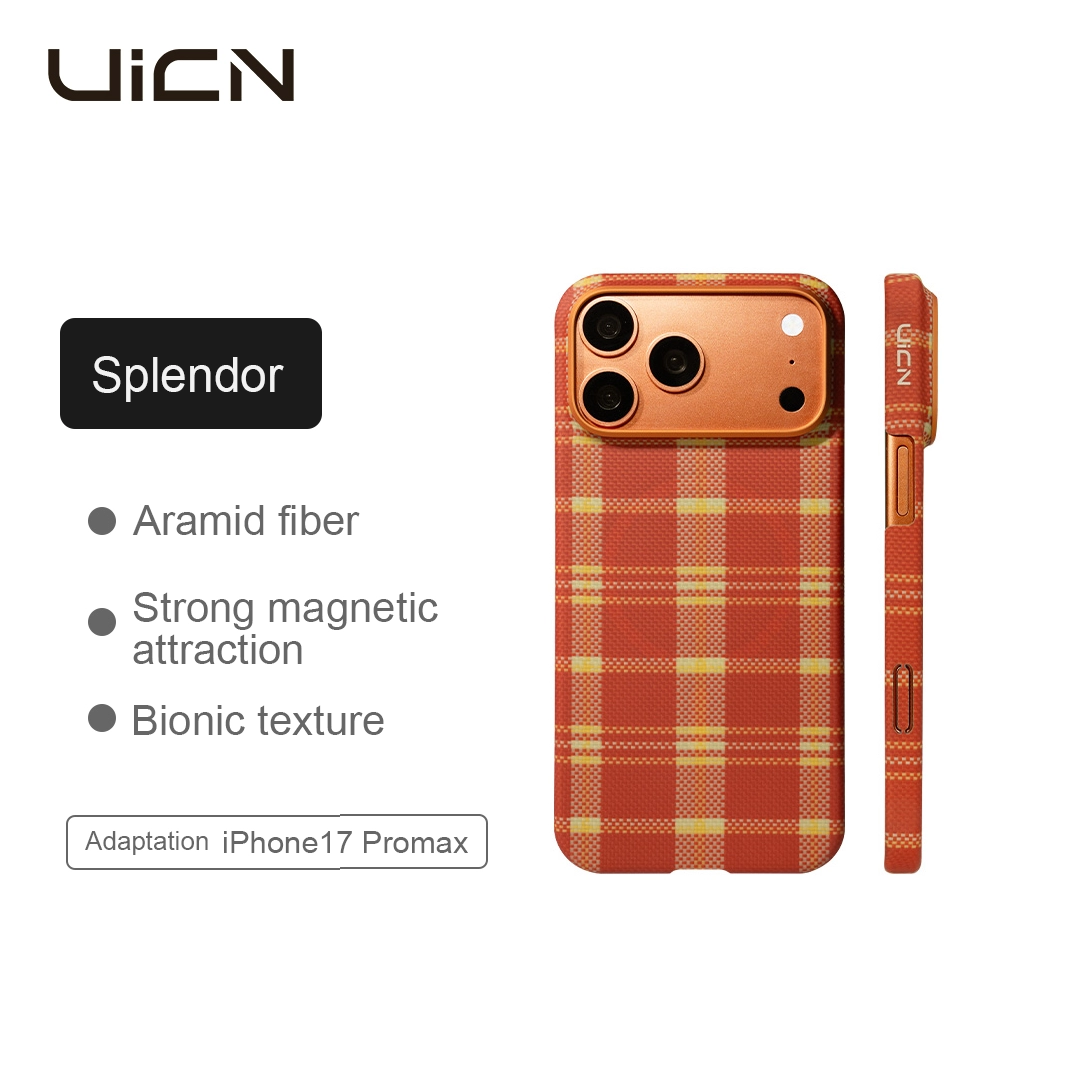
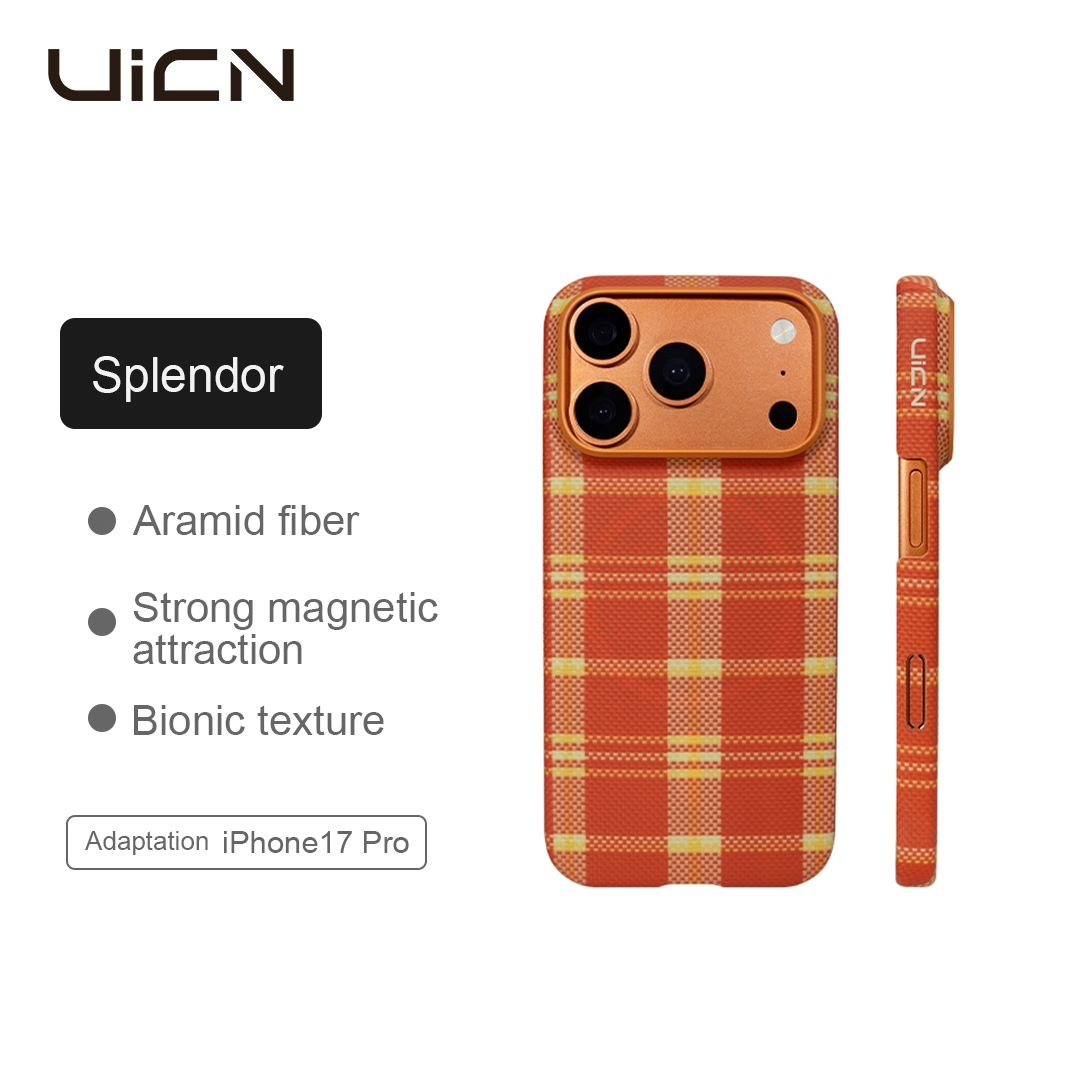
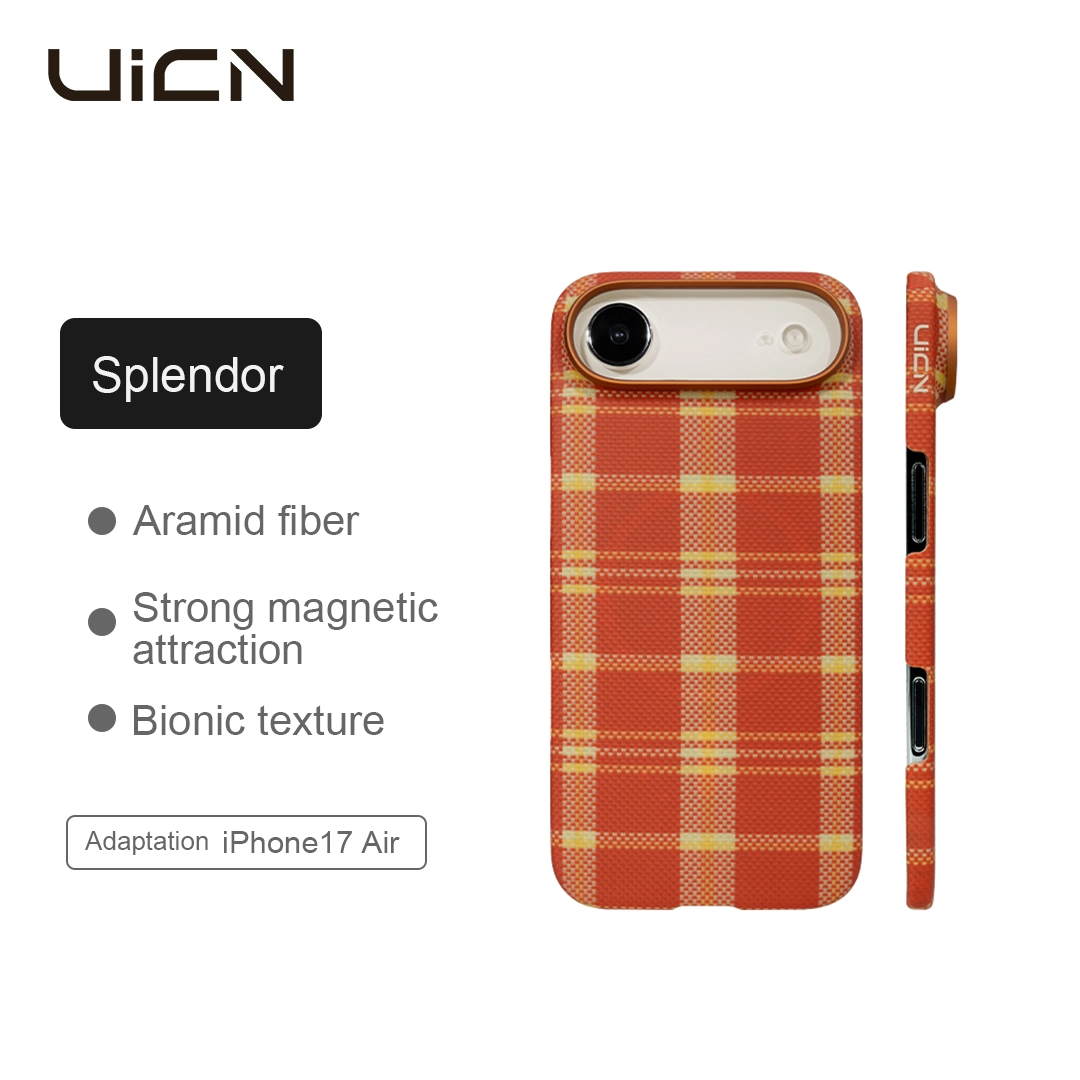
Aramid fiber cases can be useful when a program needs a lightweight, low-profile option with a premium finish. The material alone is not the standard, though. The finished construction, edge geometry, camera protection, and fit on the specific device are what employees experience.
3. Standardize the details that create operational savings
Use a controlled naming system for models, colors, packaging, and SKUs. Keep the same label format and insert information across the range. If the program includes a company logo, define its size, location, color, and approval process before the first production run.
A standardized case does not have to look identical across every model. It should feel like one program: consistent materials, finish, packaging, and service expectations.
4. Test the accessories employees already use
Check wireless chargers, vehicle mounts, desk stands, card holders, and other accessories with the actual case. A magnetic ring may hold well on one mount but sit too low or too high on another. Confirm alignment and charging behavior on every approved device model.
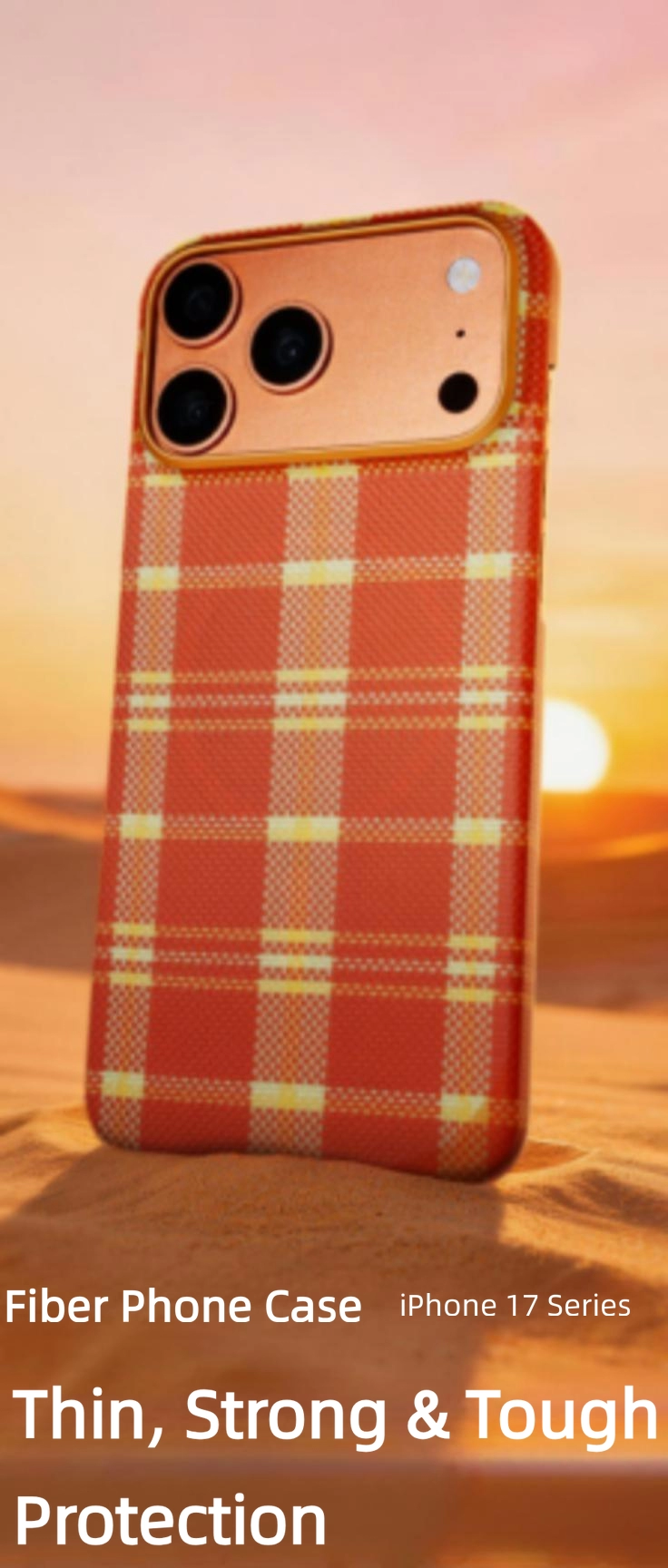
For a premium aramid fiber option such as the Silk Road Splendor case, record the supported models and the exact accessory combination during the pilot. Treat that record as part of the deployment documentation rather than relying on memory.
5. Run a pilot with real users
Give a small group of users the proposed cases for a normal work cycle. Ask about grip, pocket carry, camera use, charging, cleaning, logo durability, and accidental drops. The pilot should include the most common model and the most difficult environment, not only the easiest office use case.
Use the feedback to improve the standard before ordering the full fleet. A short pilot can reveal that a color is hard to identify in a shared drawer or that a mount is incompatible with a particular camera cutout.
6. Plan replenishment and model changes
Keep a small buffer for new hires, replacements, and damaged units, but do not overstock cases for devices near retirement. Set reorder points by model and define who owns the inventory. When a device model changes, decide whether the old case can remain in service or should be phased out.
Ask your supplier how long an approved color, logo, or packaging format can remain available. Stable specifications make repeat orders faster and reduce the need for new sampling.
Questions About Corporate Phone Case Procurement
Should every employee receive the same case?
Not always. A shared baseline is useful, but users with different environments may need an approved tier or accessory combination.
How many device models should be included in the pilot?
Include the most common model, the newest model, and the model with the highest operational risk. This gives the team useful information before a full rollout.
How can procurement reduce obsolete inventory?
Use device replacement forecasts, smaller replenishment batches, reorder points, and a clear phase-out rule for models that are nearing retirement.
Can a corporate case program include custom branding?
Yes, but approve the logo method, placement, color, packaging, and sample before bulk production. Branding should be treated as a controlled specification, not an afterthought.
Conclusion
Good corporate phone case procurement is a small supply-chain program: it connects device data, user needs, accessory testing, branding, pilot feedback, and replenishment. Start with a clear standard, validate it on real devices, and use the FAQ and contact page to confirm model support and order requirements before rollout.