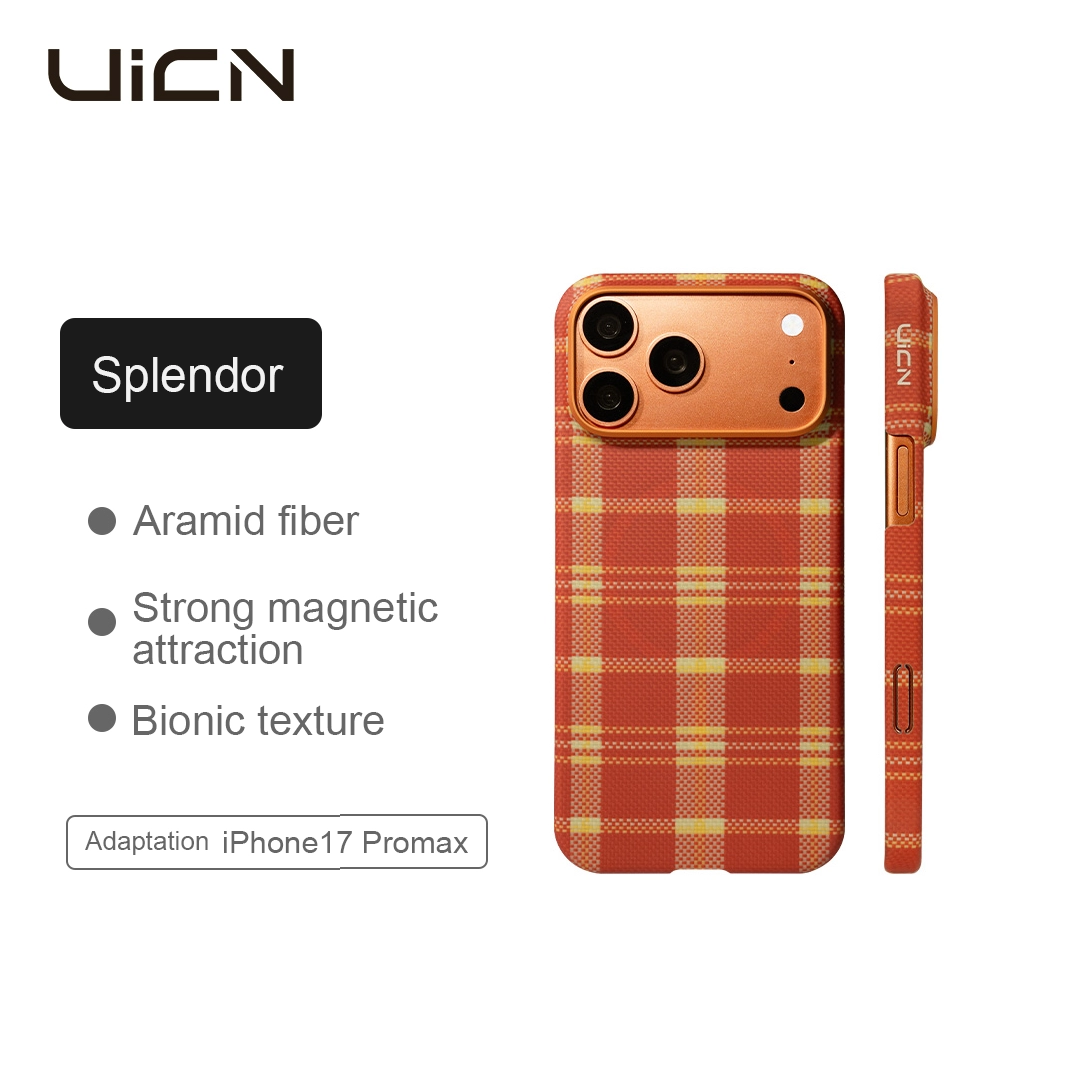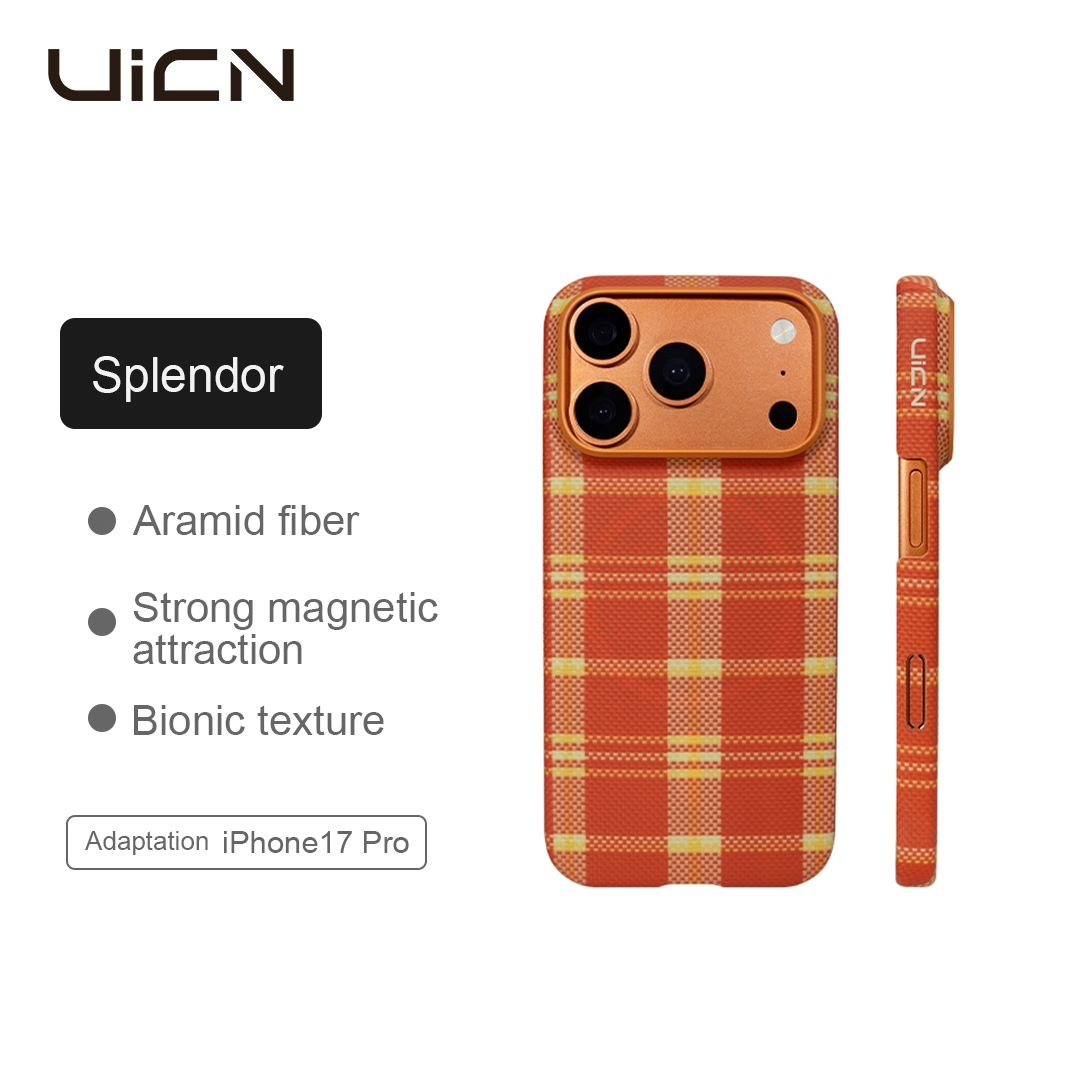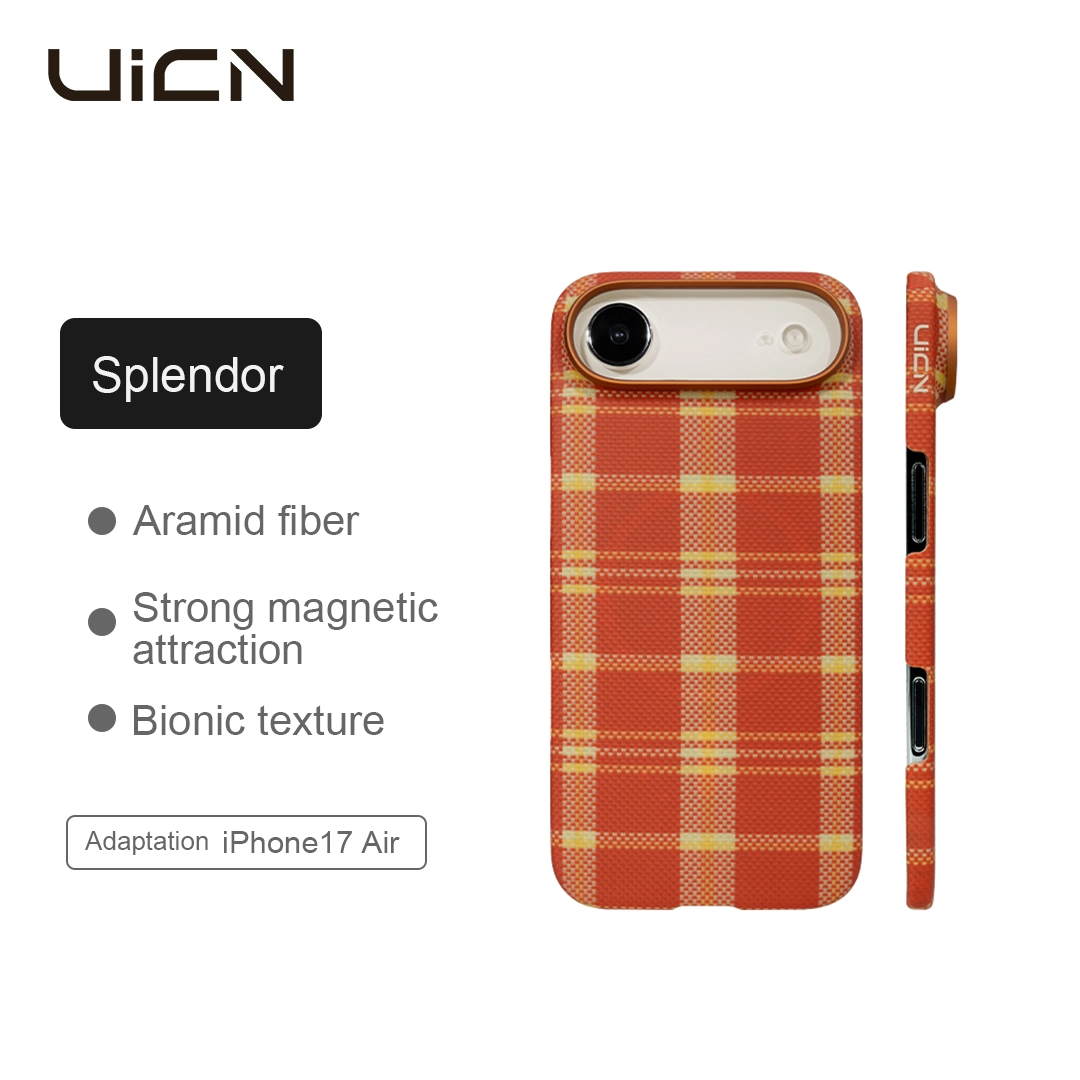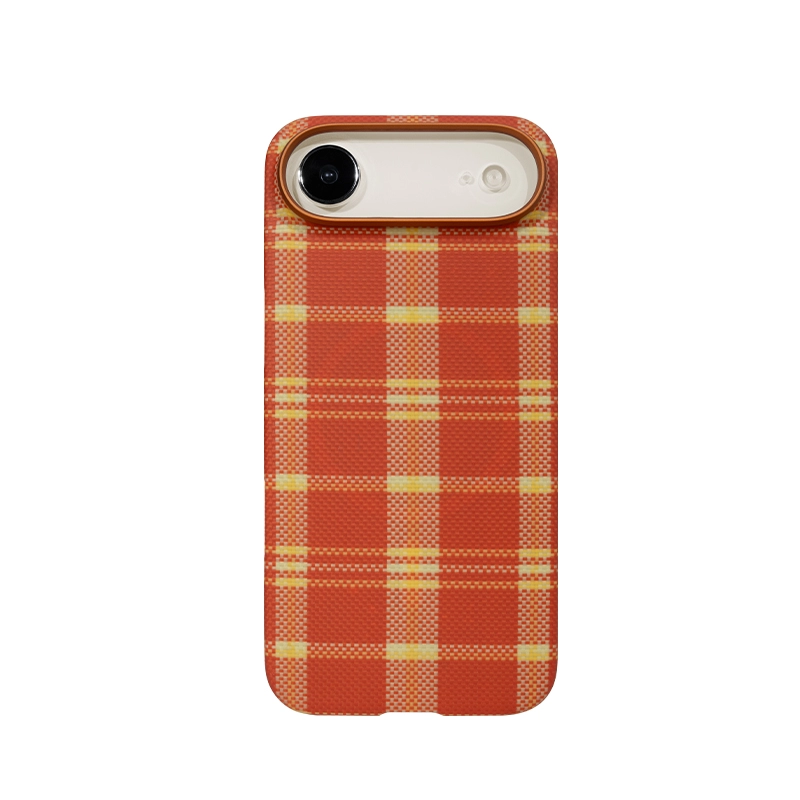
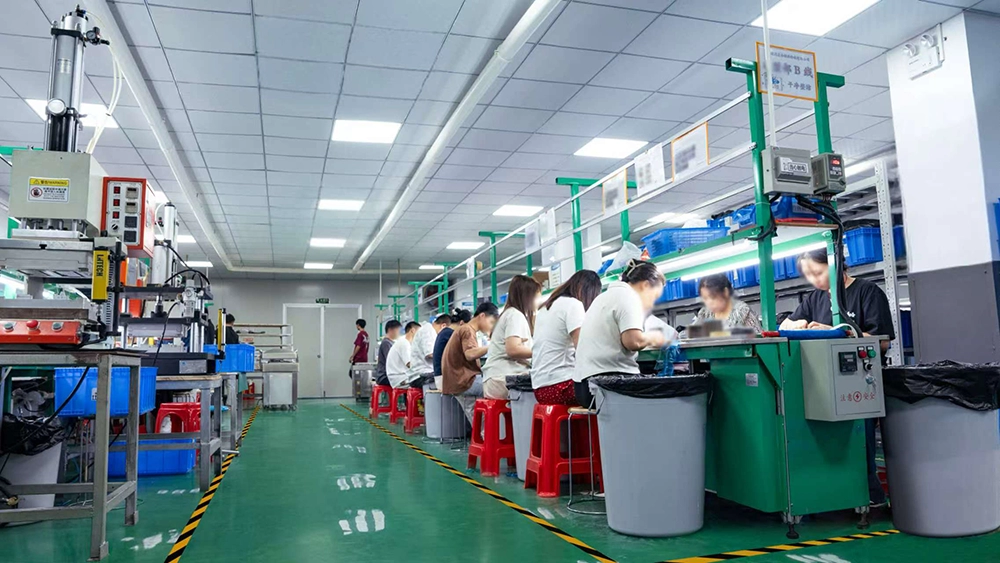
The OEM phone case development process works best when the buyer and manufacturer make decisions in a clear order. A concept can look simple on a screen, but the production sample must fit the device, protect the camera, support accessories, meet the finish requirement, and remain manufacturable at the target cost.
This guide explains the checkpoints a B2B buyer should expect when developing a custom or private-label phone case. It is especially useful for brands that want a premium aramid fiber case without losing control of timing, quality, or future replenishment.
The OEM Phone Case Development Process, Step by Step
1. Turn the idea into a design brief
The brief should define the phone models, target users, protection level, material direction, surface finish, color, branding, packaging, target cost, quantity, and delivery date. Add reference images only as visual guidance; list the measurable requirements separately.
For example, “slim and premium” should become a thickness target, edge treatment, camera clearance, grip expectation, and finish reference. If the case must work with magnetic accessories, specify the ring position and the accessories that need to be tested.
2. Select the construction before final styling
Material choice affects weight, stiffness, texture, tooling, and cost. Aramid fiber is attractive for lightweight premium cases, but the final result depends on the weave, laminate, backing, adhesive, edge construction, and surface treatment.
Ask the manufacturer to explain which parts of the design are fixed and which can change during sampling. This prevents a cosmetic change from unexpectedly affecting fit, magnet alignment, or production yield.
3. Check design for manufacturing
Before tooling or final sample work, review camera openings, button details, port access, corner radii, draft, wall thickness, logo placement, and areas that may be difficult to trim or finish. A design-for-manufacturing review can identify problems before they become expensive changes.
Share the latest CAD, dimensions, artwork, and phone model references in one controlled package. Version names should make it obvious which file is approved for sampling.
4. Build and review the first sample
The first sample is for learning, not just approval. Check the phone fit, camera clearance, button response, charging, magnetic alignment, grip, surface consistency, logo position, and packaging. Photograph the sample from the same angles you will use for future comparisons.
Write the changes as a numbered revision list. “Make it better” is difficult to execute; “raise the camera lip by the agreed amount” or “move the logo away from the charging ring” gives the production team something they can verify.
5. Validate performance and appearance
Choose tests that match the real use case. A corporate everyday case may need fit, abrasion, camera, charging, and accessory checks. An outdoor case may need stronger impact and environmental checks. A premium retail case may need extra attention to color, weave direction, edge finish, and packaging presentation.
Use a written approval sheet that records the sample version, test result, open issues, and owner. If a third-party or restricted-substance report is required, confirm that the report applies to the same material and construction as the sample.
6. Approve the production specification
Before the pilot or bulk order, freeze the approved drawing, artwork, material, color, finish, packaging, inspection standard, and delivery terms. Identify which changes require buyer approval. This specification becomes the reference for production and repeat orders.
7. Use a pilot before scaling
A pilot run checks whether the approved sample can be repeated across a real production batch. Review fit, visual variation, defects, packaging, carton labels, and yield. If the pilot shows a pattern of defects, correct the process before scaling instead of sorting the same problem after shipment.
8. Connect approval to logistics
Production approval should be linked to the purchase order, packing requirements, inspection date, and shipping plan. Confirm the named Incoterm, documents, delivery location, and responsibility for export and import formalities. The more customized the case, the more important it is to keep the approved specification attached to the commercial record.
Questions Buyers Ask During OEM Development
What should be included in the first design brief?
Include the phone models, target users, protection needs, materials, finish, color, branding, packaging, target quantity, target cost, delivery date, and required accessories.
How many sample rounds should a buyer expect?
It depends on design complexity and how complete the brief is. Plan for at least one learning round and leave time for a revision before the pilot.
Who owns the approved specification?
The buyer and manufacturer should both keep the same approved version, including drawings, artwork, sample photos, test records, and commercial requirements.
When is it safe to place the bulk order?
Place it after the representative sample and pilot meet the written acceptance criteria and all open changes are closed or documented.
Conclusion
A disciplined OEM phone case development process turns a promising concept into a repeatable product. If you are developing a custom aramid fiber case, use the company overview to understand the manufacturing context, then contact UICN with your device list, design brief, sample requirements, and target order volume.